
Pest Fox · Adelaide pest & termite control
Termite Baiting Systems Adelaide: How They Work & Cost
By Pest Fox · Published 5 May 2026 (updated 8 October 2026)
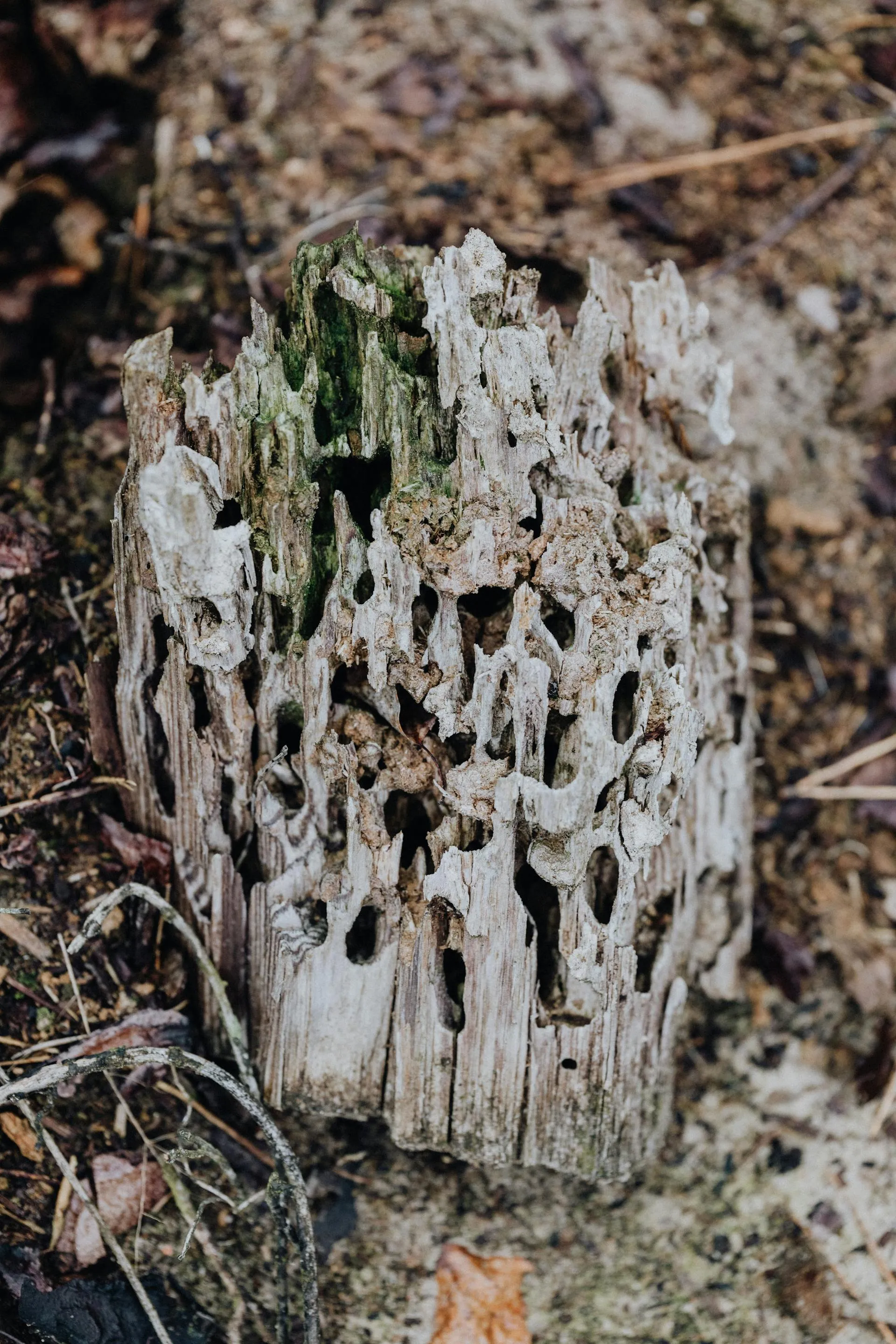
A termite baiting system uses in-ground stations placed at intervals around a building’s perimeter. Each station holds a cellulose monitor — wood or cellulose-based matrix — which termites discover as part of their normal foraging. Once the technician confirms termite activity in a station, the bait is loaded; the active is an insect growth regulator that termites carry back to the colony, eliminating it over a period of months. Install cost in Adelaide sits at $1,200 to $2,800, with ongoing monitoring at $400 to $800 a year and bait insertion costs when termites are detected. Baiting is the right choice for some Adelaide soil types and property scenarios — chemical barriers are right for others, guided by AS 3660.2-2017 and the property’s specific exposure profile.
That is the answer in one paragraph. The detail below covers how the systems actually work, the main types of baiting system, the Adelaide soil types where baiting outperforms reticulation, and the inspection regime baiting requires.
How a baiting system actually works
The mechanism is biological, not chemical-barrier. The system relies on the termites’ own foraging behaviour:
- Stations placed at intervals. In-ground stations — sealed plastic housings with a removable cap — are installed flush with the soil surface at intervals around the building’s perimeter, as the product label specifies. Each station contains a cellulose monitor.
- Termites discover the station. Subterranean termites foraging through the soil encounter the station’s monitor. Subterranean termites can forage a long way from the colony, so a ring of stations around the house sits within their foraging range.
- Activity is confirmed during inspection. At each scheduled check (at least every 3 months under AS 3660.2-2017), the technician checks each station for termite presence — droppings, feeding marks on the monitor, live workers visible in the matrix.
- Bait is loaded into the active station. Once activity is confirmed, the technician replaces the monitor with a bait matrix containing the active ingredient. The termites continue feeding on what they have already accepted as a food source.
- The bait travels back to the colony. Termites carry the bait into the nest through normal food-sharing (trophallaxis) and grooming behaviour. The active is slow-acting — termites do not associate the bait with the death of nestmates.
- Colony elimination over a period of months. The insect growth regulator interferes with moulting. Workers fail to moult successfully and die; new workers are not produced; the colony declines. How long it takes depends on colony size, time of year and how readily termites take the bait.
The process is guided by AS 3660.2-2017 for inspection and monitoring, and by APVMA-registered product label conditions for the bait chemistry. Pest Fox’s broader inspection-and-treatment framework is set out in the Pest Fox guide to termite inspections in Adelaide.
The main types of baiting system
Several baiting systems are registered in Australia, and they broadly fall into two styles. The differences sit in the active ingredient, the station design and the monitoring protocol.
Always-baited stations
Bait is in the station from day one, so termites encountering the station meet the active straight away. Sentricon AlwaysActive (active: noviflumuron, an insect growth regulator) is a well-known example.
Monitor-then-bait stations
The station holds a timber or cellulose monitor; once termite activity is confirmed, bait is added. Exterra (bait active: chlorfluazuron, an insect growth regulator) is a well-known example.
The right system depends on the property, whether termites are already active, and the monitoring schedule that suits you. Each manufacturer sets its own installation requirements and warranty terms — ask your installer to explain them. The licensing question is covered in the Pest Fox SA Health pest controller’s licence guide.
When baiting beats a chemical barrier
Five Adelaide scenarios where baiting outperforms a chemical barrier:
Coastal sandy soils
Glenelg, Henley Beach, Semaphore, West Beach, McLaren Vale. Sandy soils can shorten how long a chemical soil treatment lasts compared with clay. Baiting is not affected by leaching; the bait sits inside the station, isolated from the soil chemistry, and is consumed only by termites entering the station. Baiting is often the preferred long-term system on the coastal strip.
Rock-shelf and sloped sites
Belair, Blackwood, Eden Hills, Stirling, Aldgate, Crafers. Rock-shelf subsoil makes trenching to the required depth difficult; sloped blocks make perimeter chemical application uneven. Baiting stations install in shallow placements where a chemical barrier cannot achieve full coverage. The full picture for foothills properties sits in the Pest Fox termite inspection guide for Mitcham and the foothills.
Properties where chemical residue is unwelcome
Vegetable gardens, rainwater tanks for drinking, household compost, pet enclosures, beehives. Baiting confines the active to inside the station; the surrounding soil is not chemically treated. For households where the chemical-treatment perimeter would impinge on a productive garden or a rainwater tank set-back, baiting is the cleaner answer.
Highly fragmented site geometry
Properties with multiple unconnected slabs, courtyards, additions and pathways — a continuous chemical perimeter is hard to achieve without coverage gaps. Baiting stations install around each separate slab independently, with the same colony-elimination effect.
Where ongoing monitoring is the priority
A baiting system is not just a treatment; it is an early-warning system. Stations that detect termite activity inform the homeowner and the operator months before structural damage develops. For properties in known high-activity profiles — heritage NPSP, foothills bushland-edge, market-garden adjacent (Two Wells, Virginia, Angle Vale) — the monitoring value is itself the case for baiting.
When a chemical barrier still wins
Baiting is not the answer everywhere. A chemical barrier — perimeter spray or reticulation — is preferable when:
- High-pressure termite-active suburbs with confirmed ongoing activity. Where Coptotermes presence is established and the structural exposure is high (heritage NPSP villas, Prospect bungalow stock with known historical infestations), a chemical barrier provides immediate protection while the baiting cycle takes weeks to develop. Many Adelaide heritage properties carry both — a chemical perimeter for immediate protection plus a baiting system for ongoing monitoring.
- Heritage properties already running a reticulation system. If reticulation is already installed, the existing investment dominates the decision — recharge the system at the specified interval. Adding baiting on top is supplementary, not primary.
- Pre-settlement timeframes. A property settling within a tight window often needs a chemical barrier in place before contracts execute. Baiting cycles take weeks; chemical barriers register protection from the day of application.
The full chemical-barrier-vs-baiting-vs-reticulation comparison sits in the Pest Fox termite barrier cost guide and the Pest Fox termite reticulation system guide.
The ongoing inspection regime
Baiting systems are active systems — they only work if the inspections happen. AS 3660.2-2017 calls for monitoring-system services no more than 3 months apart, and the product label sets its own requirements.
What a good monitoring cycle looks like:
- Regular station checks — each station checked for termite activity, monitor condition and bait consumption (where loaded), at least every 3 months. Records kept of every station, every visit.
- Bait replacement and station refurbishment. Monitors degrade and bait is consumed. The technician replaces them as needed and records what was used.
- Documentation. Every visit produces a service report listing each station’s status, any activity confirmed, any bait inserted, and the next visit date. Manufacturer warranties usually depend on these records.
Your service agreement should specify the monitoring cycle, the included station count, the cost of bait insertion when termites are detected, and the cost of additional stations if the perimeter changes.
Cost economics
Indicative Adelaide cost structure for a baiting system on a standard residential perimeter:
| Item | Cost |
|---|---|
| Initial install | $1,200 to $2,800 |
| Ongoing monitoring | $400 to $800 per year |
| Bait insertion when termites are detected | Quoted per station — check your agreement |
| Station replacement (damaged) | Quoted per station |
Over 10 years, a baiting system’s install plus monitoring adds up — compare it against a chemical barrier’s recharges or re-treatments over the same period. On coastal and rock-shelf properties, where chemical barriers can be harder to install or maintain, baiting is often competitive.
Combining baiting with inspection
A baiting system is also an early-warning system. The stations detect activity months before mud tubes appear on a pier or frass shows up in a skirting. For high-risk Adelaide profiles, the combined approach is:
- In-ground baiting stations around the perimeter for monitoring and elimination
- Annual AS 4349.3-2010 internal inspection of the building itself — subfloor, roof void, internal timbers, external surrounds
- Coordinated documentation — the baiting service report and the AS 4349.3 inspection report cross-reference, so the homeowner has a single annual picture of the property’s termite status
The in-and-around approach can be combined into one annual program. Pest Fox’s termite-management programs sit on the termite barriers service page with the inspection scope explained on the termite inspections service page.
Need a hand with this? See termite baiting systems or termite treatment in Adelaide, or request a free quote and we’ll get back to you within 24–48 hours.
FAQ
Does termite baiting actually work? It can be very effective when the system is correctly installed, monitored on schedule, and bait is loaded at the right time. Insect growth regulator actives (such as noviflumuron and chlorfluazuron) interfere with the termite moulting cycle and eliminate the colony over weeks to months. The system depends on termites discovering the stations and feeding on the matrix — install density, station placement and inspection discipline are what determine effectiveness.
How long does a baiting system take to eliminate a colony? Usually months rather than weeks, depending on colony size, season and how readily termites take the bait. Subterranean termite colonies can be very large, and the insect growth regulator needs workers to feed repeatedly before the colony declines. The slow action is part of the design — fast-acting actives are detected and avoided.
How often does a bait station need inspection? AS 3660.2-2017 calls for monitoring-system services no more than 3 months apart, and the product label may set further requirements. Higher-risk properties may need more frequent checks while termites are active.
Is an always-baited system better than monitor-then-bait? Neither is better everywhere. Always-baited stations put bait in front of termites from day one; monitor-then-bait stations add bait once activity is confirmed. The right choice depends on the property, whether termites are already active, and the monitoring schedule — ask your installer to explain the options.
Can I combine baiting and a chemical barrier? Yes — and on high-risk Adelaide properties this is often the right answer. The chemical barrier provides immediate protection from day one; the baiting system provides long-term monitoring and colony-elimination capability. Some heritage properties run a chemical reticulation barrier alongside a baiting system — the reticulation is recharged at its specified interval, the baiting provides ongoing monitoring, and the AS 3660.2-2017 inspection regime ties both together.
Will baiting work in coastal sandy soils? Yes. Sandy soils can shorten how long a chemical soil treatment lasts, while baiting keeps the active inside the station. In coastal suburbs like Glenelg, Henley Beach, Semaphore, West Beach and McLaren Vale, baiting is often a strong option.
Sources
- Standards Australia — AS 3660.2:2017 Termite management — Part 2: In and around existing buildings and structures: https://store.standards.org.au/product/as-3660-2-2017
- APVMA — Australian Pesticides and Veterinary Medicines Authority registered product database: https://www.apvma.gov.au/
- Sentricon AlwaysActive technical documentation: https://www.sentricon.com.au/
- Exterra technical documentation: https://www.exterra.com.au/