
Pest Fox · Adelaide pest & termite control
Termite Barrier Cost Adelaide 2026: Chemical vs Physical
By Pest Fox · Published 5 May 2026 (updated 8 October 2026)
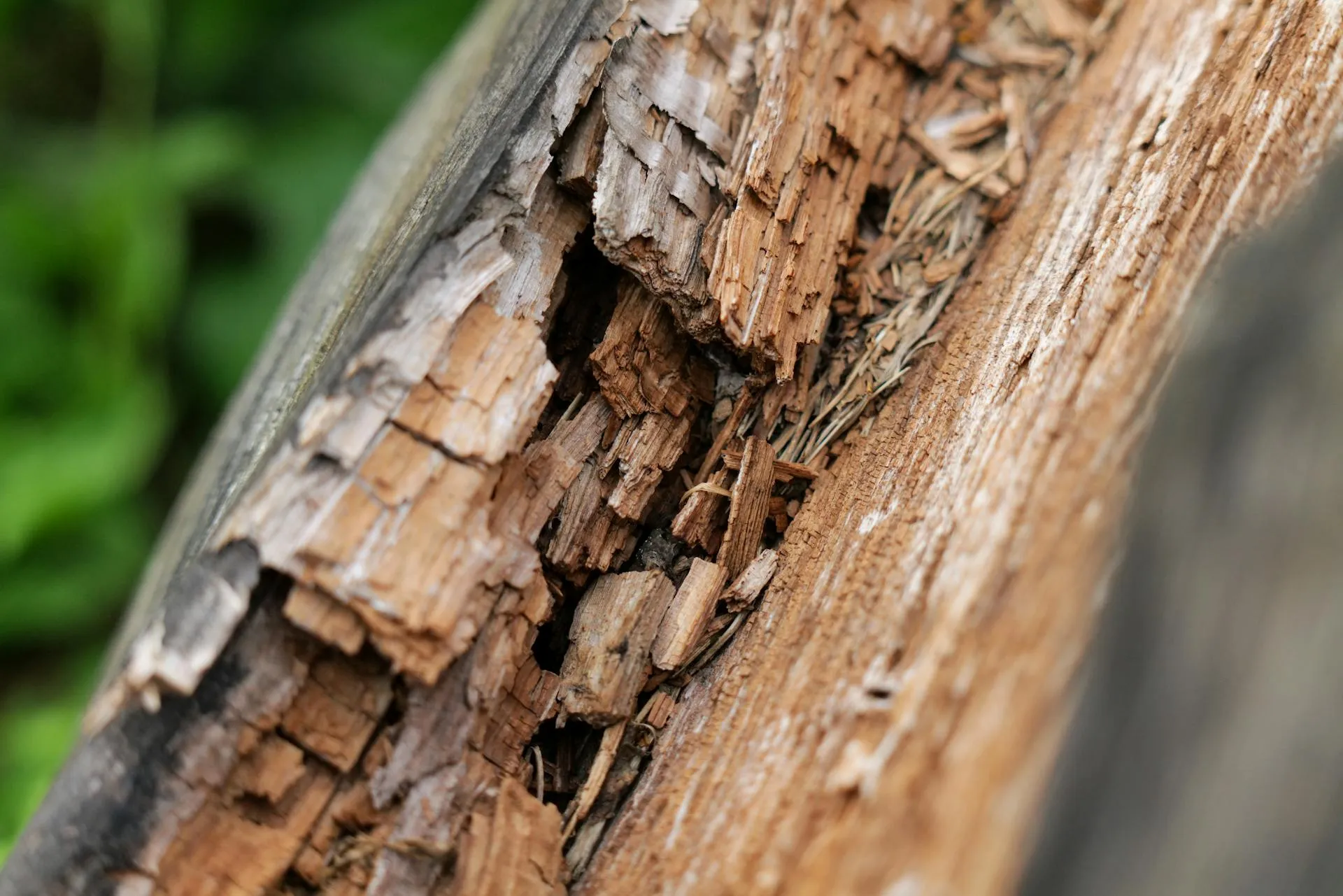
Termite barrier cost in Adelaide for 2026 sits in the following ranges for a standard residential block. Chemical perimeter barrier — $2,500 to $4,500. Reticulation system (retrofit) — $3,500 to $7,500. Physical mesh or stainless-steel barrier (new build only) — $2,800 to $5,500. Ant cap and graded-stone slab edge (new build only) — $1,200 to $2,500. In-ground baiting system install — $1,200 to $2,800 with ongoing monitoring at $400 to $800 a year. The relevant standard is AS 3660.1-2014 for new building work or AS 3660.2-2017 for existing buildings, and a single set of variables — linear metres, depth, chemistry and reinstatement — drives the final number.
That is the price answer. The rest of this article explains what each barrier type actually does, why Adelaide soil and housing stock change the calculus, and how a competent quote breaks down so you can compare apples with apples.
What a termite barrier actually does
A termite barrier is a continuous physical interception or chemical treated zone placed around or beneath a building so subterranean termites cannot reach the structural timber undetected. It is not a one-shot kill. It is a long-term defence that either blocks termites mechanically (physical barrier) or treats the soil they would otherwise tunnel through (chemical barrier).
Two Australian Standards govern the work:
- AS 3660.1-2014 — Termite management — Part 1: New building work. Sets the design and construction requirements for barriers installed at slab stage. The National Construction Code references it for termite management in new buildings.
- AS 3660.2-2017 — Termite management — Part 2: In and around existing buildings and structures. Governs every retrofit barrier — including chemical perimeter, retrofitted reticulation, and chemical refresh of an existing system.
A competent Adelaide quote names the standard the work is being performed to and the APVMA approval number of any chemical applied. A quote that just says “termite barrier — $3,500” without specifying chemistry, depth, linear metres, or the standard is not a quote — it is a number. The full standards picture sits in the Pest Fox guide to termite inspections in Adelaide, which walks through Part 1, Part 2 and AS 4349.3-2010 in detail.
Chemical perimeter barriers — cost breakdown
A chemical perimeter barrier is a continuous treated zone in the soil around a building’s external slab edge. The technician trenches or drills through pavers and pathways, applies a registered termiticide to the AS 3660 specification (depth, concentration, volume per linear metre), and reinstates the surface.
Typical Adelaide cost for a standard 25 to 40 linear-metre residential perimeter: $2,500 to $4,500.
The chemistry options in 2026:
- Fipronil products (for example, Termidor) — non-repellent. Termites pass through without detecting the treated zone, contact the active, and carry it back to the colony. Widely used for chemical perimeter work.
- Chlorantraniliprole products (for example, Altriset) — non-repellent, with a low mammalian toxicity profile, which can suit properties with pets, children or vegetable gardens near the treatment zone.
- Bifenthrin (synthetic pyrethroid) — repellent. Cheaper per litre than the non-repellents, but less reliable against established colonies; better suited to pre-construction zone treatments and some retrofit scenarios where budget is the constraint.
What moves the price up:
- Linear metres. The straightforward driver. A 65-metre perimeter (large block, U-shape) prices higher than a 25-metre rectangle.
- Trenching versus drilling. Earth perimeter is fastest. Pavers, concrete pathways, exposed aggregate driveways and sandstone-clad footings require core-drilling at intervals — slower work and higher reinstatement cost.
- Depth and obstacles. Standard depth to the AS 3660 specification is to the top of the footing. Heritage stone footings, deep slab edges and rock-shelf subsoil push the per-linear-metre rate up.
- Heritage construction. Norwood, Unley, Walkerville, Prospect, North Adelaide — sandstone footings, mortar gaps and finished pavers slow the work and complicate reinstatement.
- Reinstatement. Concrete patching, paver re-laying, garden-bed restoration. Some operators include this; some quote it separately — read the quote carefully.
For example: a 1920s Norwood villa with a long perimeter and lots of paving around the house will sit toward the upper end of the range once reinstatement is included, while a newer brick-veneer with an open earth perimeter and clear access will sit toward the lower end for the same chemistry.
Reticulation systems — cost breakdown
A termite reticulation system is a buried perforated-pipe network around the slab perimeter, with junction boxes accessible for refill. Once installed, the technician refills the chemical reservoir through the junction boxes — no further trenching, no lifted pavers, no disturbance to gardens.
Typical Adelaide cost for a retrofit installation: $3,500 to $7,500. Pre-construction installation during slab pour: typically $2,800 to $4,800 because no excavation or reinstatement is required.
Refill economics:
- Refill cycle: set by the system and the product label, and affected by soil conditions — ask your installer what interval applies.
- Refill cost: $800 to $1,500 for a standard residential perimeter, with the technician injecting the registered termiticide through the junction boxes. The system itself is not consumed — only the chemical reservoir.
Over the long term, reticulation often makes sense on heritage properties with finished landscaping. Repeating a trenched perimeter treatment means re-trenching and disturbing pavers and gardens each time, while reticulation is recharged through the refill points.
The full mechanics — pipe-loop design, junction-box placement, AS 3660.1 design specs, and when reticulation is the right choice — sit in the Pest Fox guide to termite reticulation systems in Adelaide.
Physical barriers — cost breakdown
Physical barriers are non-chemical interceptors installed at slab construction. They include:
- Stainless-steel mesh — fine marine-grade stainless mesh laid at slab edges, around penetrations (pipes, cables) and over construction joints. Termites cannot chew through the mesh; they must travel around it, where their mud tubes become visible during inspection.
- Insecticide-impregnated sheet — polymer sheet containing a registered insecticide. The sheet physically intercepts termites, with the insecticide as back-up. Installed at slab edges, around penetrations and over construction joints.
- Graded stone particles — a continuous layer of graded stone beneath and around the slab, sized so termites can’t move the particles or pass through.
Typical new-build cost for a standard 200 m² slab: $2,800 to $5,500 depending on the specific product and the slab geometry.
The critical limitation: physical barriers are practical only at construction or major slab work. Retrofitting mesh around an existing house requires lifting the slab edge — the cost rapidly exceeds a chemical reticulation alternative. For an existing Adelaide home, a physical barrier is the wrong question; reticulation or perimeter chemical is the right one.
Baiting systems versus barriers — cost comparison
Baiting systems are a third option worth understanding when budgeting. In-ground baiting stations sit around the perimeter at 3–5 metre intervals; termites discover the cellulose monitor, the bait is loaded, and the colony is eliminated through chitin-synthesis-inhibitor chemistry over weeks to months.
Typical Adelaide cost:
- Initial install: $1,200 to $2,800 depending on perimeter length and station count
- Ongoing monitoring: $400 to $800 a year
- Bait insertion when termites are detected: quoted per station — check your agreement
Baiting often outperforms chemical barriers in Adelaide’s coastal sandy-soil suburbs — Glenelg, Henley Beach, Semaphore, McLaren Vale — where chemical termiticides leach faster through the soil profile. Baiting is also the practical answer on rock-shelf properties where trenching to AS 3660 depth is not achievable. The full case for baiting sits in the Pest Fox guide to termite baiting systems in Adelaide.
What moves price up in Adelaide specifically
Adelaide adds five factors that other markets do not:
- Heritage stone footings. Norwood, Unley, Walkerville, Prospect, North Adelaide and Semaphore character stock has sandstone or bluestone footings with mortar joints. Trenching at slab depth is slower; reticulation is often the practical answer.
- Pavers and concrete pathways. Adelaide’s mature housing stock typically sits inside finished landscaping. Drilling through paving, treating and reinstating adds noticeably to the per-metre cost compared with an earth perimeter. If a landscape refresh is already on the agenda, time the termite barrier and the Adelaide landscaping work together — the reinstatement work overlaps and the combined project is materially cheaper than two sequential ones.
- Sloping foothills sites. Belair, Blackwood, Eden Hills, Stirling, Aldgate, Crafers — sloped blocks and rock-shelf subsoil restrict trenching depth. Some perimeter sections are not treatable to AS 3660 depth without engineering work; the inspector will note these as supplementary in the report.
- Reactive clay soils. The calcarosol/clay band through Prospect, Sefton Park and parts of Norwood swells and shrinks seasonally. Some chemistries hold longer in clay; some leach faster. The chemistry decision is soil-aware.
- Coastal sandy loam. Glenelg, Henley Beach, Semaphore and West Beach soils leach termiticide faster. Refresh cycles shorten, and baiting becomes a stronger candidate. The inspector’s recommendation on chemistry should explicitly reference soil type.
Warranties and the standard
Many termite barrier products and systems carry manufacturer warranties, and the terms vary by product. Common conditions include installation to the manufacturer’s requirements, regular inspections (AS 3660.2-2017 calls for inspections no more than 12 months apart) and no disturbance of the treated zone. Read the terms for the system you’re quoted, and ask what workmanship cover the installer offers.
Keep the paperwork. A common mistake is a property changing hands without the barrier records and inspection history being passed on at settlement.
The licence question — who is allowed to do termite work in SA — is covered in the Pest Fox SA Health pest controller’s licence guide.
What a barrier quote should include
A good Adelaide barrier quote should itemise:
- Linear metres of perimeter — the unit count, not just a flat number
- Treatment depth — to the top of the footing as a baseline; deeper if the inspector noted slab edge or rock conditions
- Product and its APVMA registration — the product name and registration number, which you can check on the APVMA website
- Application rate — as set by the product label
- Reinstatement scope — concrete patching, paver re-laying, garden-bed restoration; what’s included, what’s separate
- Warranty terms (if any) — manufacturer and workmanship cover, the inspection requirement and the disturbance exclusions
- The licence details of the installing technician — check them with SA Health’s online licence look-up
A quote that omits any of these is incomplete. Ask for the missing line before you sign.
Need a hand with this? See termite barrier installation in Adelaide or termite reticulation systems, or request a free quote and we’ll get back to you within 24–48 hours.
FAQ
How much does a termite barrier cost in Adelaide? For a standard residential block, a chemical perimeter barrier sits at $2,500–$4,500, a retrofit reticulation system at $3,500–$7,500, and a physical barrier (new build only) at $2,800–$5,500. A baiting system installs at $1,200–$2,800 with $400–$800 a year in monitoring. The drivers are linear metres, chemistry, reinstatement scope and access difficulty.
Is reticulation worth the extra over a perimeter barrier? Often yes on heritage properties with finished pavers and mature gardens. Reticulation refills cost $800–$1,500 at the interval the system specifies and avoid re-trenching the perimeter, which saves reinstatement cost over time. On a simple-perimeter brick-veneer with clear access and a short ownership horizon, a chemical perimeter is usually the better economic choice.
How long does a chemical barrier last? It depends on the product, the soil and whether the treated zone is disturbed — the product label and treatment certificate state the expected life. Sandy coastal soils (Glenelg, Henley Beach, Semaphore) can shorten it. Regular inspections, no more than 12 months apart under AS 3660.2-2017, show whether the barrier is still performing or needs a refresh.
Can I retrofit a physical barrier on an existing house? Practically, no. Physical barriers (stainless mesh, sheet systems, graded stone) require slab-edge access and structural integration that retrofitting does not allow without major works. For existing homes, the right answer is a chemical perimeter, a reticulation retrofit, or a baiting system — see the Pest Fox termite reticulation guide for the pipe-network alternative.
Does the cost include the inspection? The barrier install does not include the annual inspection. AS 3660.2-2017 calls for inspections no more than 12 months apart, and manufacturer warranties usually depend on them. Inspection cost in Adelaide sits at $180–$350 per visit. Some quotes bundle the first inspection — check the line items.
What’s the cheapest legitimate termite barrier? For an existing home, a repellent (bifenthrin) perimeter on an open earth perimeter with no reinstatement will usually be the lowest sticker price, toward the bottom of the $2,500–$4,500 chemical-perimeter range. The trade-off is generally a shorter treatment life and less reliability against established colonies. A non-repellent perimeter at the lower end of the range is often the better long-term value — ask your installer to compare the options over 10 years.
Sources
- Standards Australia — AS 3660.1:2014 Termite management — Part 1: New building work: https://store.standards.org.au/product/as-3660-1-2014
- Standards Australia — AS 3660.2:2017 Termite management — Part 2: In and around existing buildings and structures: https://store.standards.org.au/product/as-3660-2-2017
- APVMA — Australian Pesticides and Veterinary Medicines Authority registered product database: https://www.apvma.gov.au/
- HIA — Termite management for new building work: https://hia.com.au/resources-and-advice/building-it-right/australian-standards/articles/termite-management-for-new-building-work